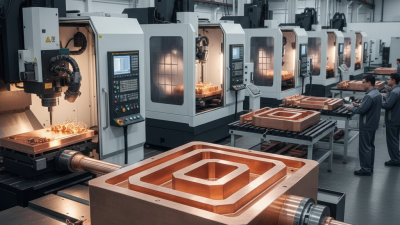
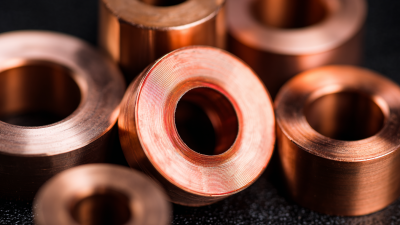
Hey, have you heard about the latest things happening in manufacturing? One of the coolest innovations these days is Tailored Copper Extrusions. They’re kind of a big deal right now. According to a recent report from the Global Copper Consortium, demand for custom copper solutions has jumped by about 30% over the past couple of years. That really shows how much industries like electronics and Aerospace are craving precision and efficiency these days.
Dr. Emily Johnson, a well-respected metallurgical engineering expert, points out that these tailored extrusions have some pretty unique properties. She explains, “They allow for optimized performance and better durability in specialized applications.” It’s not just about the shape — it’s also about how well they meet specific functional needs. That said, there are still some hurdles, especially in keeping quality consistent across different production runs.
As more companies jump on the bandwagon with these custom solutions, setting up really solid quality control processes becomes super important. The use of Tailored Copper Extrusions can definitely make production smoother and boost product performance, but it’s crucial to keep an eye on quality to avoid failures down the line. With the tech advancing so fast, there’s huge potential for growth in this niche. Still, it’s a balancing act — you have to carefully navigate innovation and standardization to really succeed.
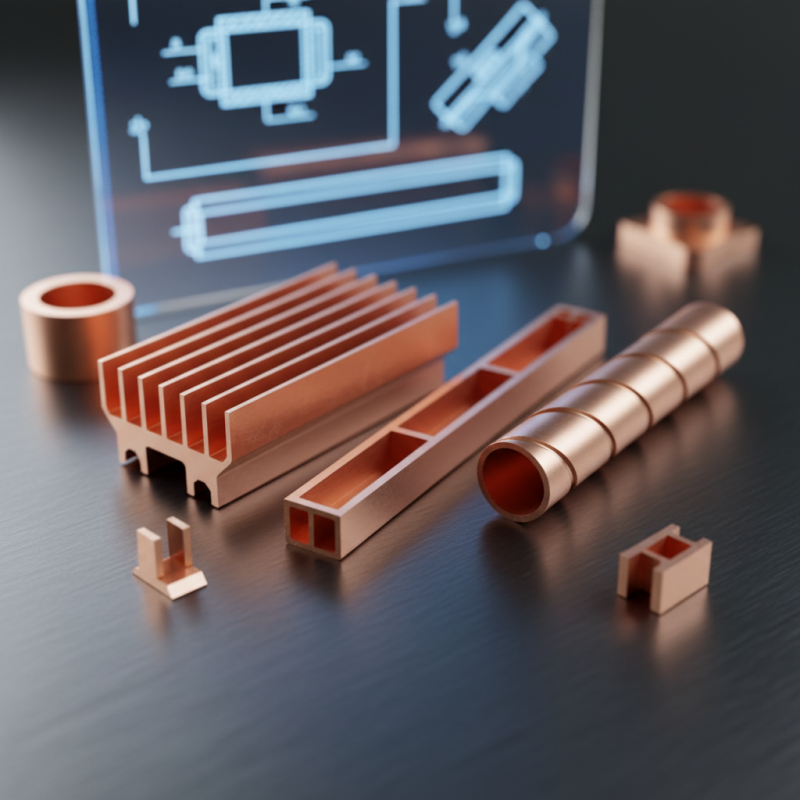
2026 Overview of Tailored Copper Extrusions in Various Industries
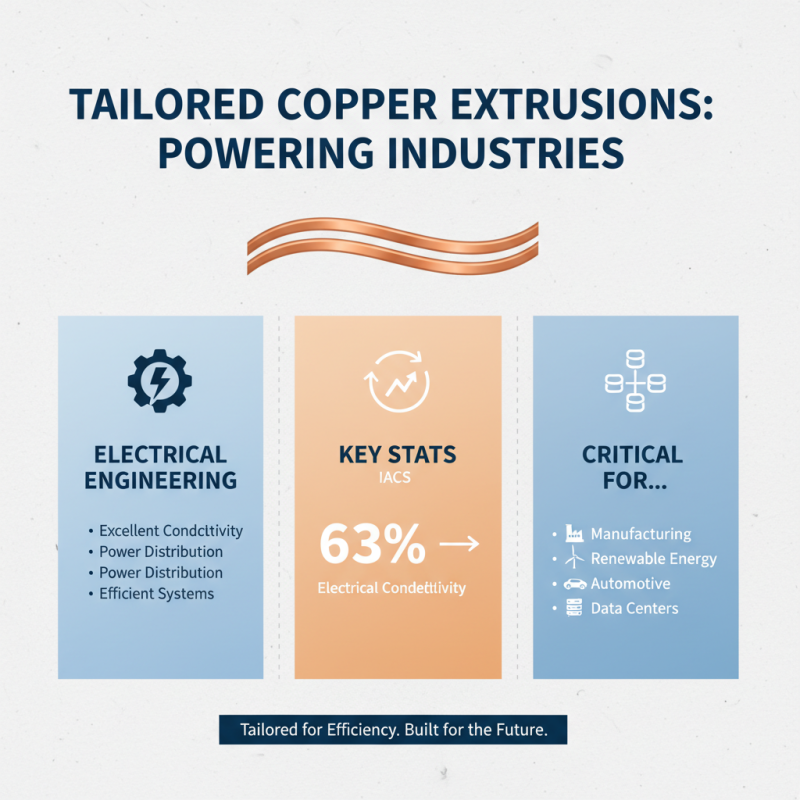
Tailored copper extrusions are becoming increasingly important across various industries. In electrical engineering, Copper Bar Extrusions are widely used due to their excellent conductivity. A recent report indicated that copper's electrical conductivity can reach up to 63% IACS (International Annealed Copper Standard). This makes tailored extrusions critical for efficient power distribution systems.
The automotive sector also benefits from tailored copper extrusions. Lightweight components are essential for improved fuel efficiency. Some studies estimate that using tailored copper parts can reduce vehicle weight by up to 30%. This not only enhances performance but also meets stringent emissions regulations. Yet, reliance on advanced copper alloys can bring challenges, such as cost fluctuations and production consistency.
Additionally, the aerospace industry is exploring tailored extrusions for their structural benefits. Innovations in manufacturing techniques are allowing for more complex designs. However, achieving the desired mechanical properties can require significant testing and iteration. The balance between performance and manufacturability often calls for further reflection. These dynamics underline the unique position tailored copper extrusions hold in multiple sectors.
Key Manufacturing Methods for Producing Tailored Copper Extrusions
Tailored copper extrusions play a crucial role in various industries due to their unique properties. The key manufacturing methods for producing these extrusions include direct extrusion, impact extrusion, and continuous casting. These methods are chosen based on the specific requirements of the application, such as dimensions, strength, and thermal conductivity. According to a recent industry report, the market for tailored copper extrusions is expected to grow by 4.5% annually, highlighting the increasing demand.
Direct extrusion is popular for its efficiency. In this method, copper billets are heated and forced through a die. This process produces intricate shapes that can fit specific design criteria. However, challenges remain in maintaining uniform quality across different batches. Variability in temperature or billet composition can impact the final product.
Impact extrusion is another method used to create high-strength components. It involves striking a copper blank with a die to shape it rapidly under pressure. Data suggests that this technique enhances material properties but may lead to defects if not closely monitored. Continuous casting allows for steady production of profiles but may not meet the exact specifications as well as other methods.
These nuances highlight the complexities faced in manufacturing tailored copper extrusions.
Unique Properties of Copper That Enhance Extrusion Quality and Performance
Copper is known for its unique properties that enhance extrusion quality. Its excellent conductivity makes it ideal for electrical applications. The malleability of copper allows it to be shaped easily during the extrusion process. This leads to precise and consistent products that meet various industrial needs.
Copper's natural corrosion resistance is another key advantage. This property ensures longevity and durability in various environments. For instance, copper extrusions often maintain their integrity even when exposed to moisture. It’s a great choice for outdoor applications.
Tip: When selecting copper for extrusion, consider the specific application. Different grades can impact performance significantly. Test samples before large-scale production to ensure optimal results.
Moreover, the thermal conductivity of copper provides exceptional performance in heat dissipation. It is essential for components that require effective thermal management. However, during the extrusion process, it’s crucial to monitor temperature carefully. Overheating can lead to defects in the final product.
Tip: Always keep an eye on the extrusion temperature. Small fluctuations can make a big difference. Adjustments may be needed to achieve the best results.
Applications of Tailored Copper Extrusions in Electrical and Construction Sectors
Tailored copper extrusions play a pivotal role in both electrical and construction sectors. Their unique properties, like excellent conductivity and corrosion resistance, make them invaluable in these industries. In electrical applications, tailored Copper Rod Extrusions provide efficient pathways for electricity. Their design can fit specific needs, enhancing overall performance.
In construction, these extrusions are used in structural components. They offer durability and . The precise dimensions help in reducing waste during installation. However, challenges exist, such as sourcing high-quality materials and ensuring consistent production standards. Stakeholders must remain vigilant, as maintaining quality can sometimes be overlooked.
Applications extend to lighting fixtures and plumbing systems, showcasing versatility. Yet, not all tailored copper rod extrusions meet the required specifications. Ensuring compliance with industry standards is crucial. As demand grows, so does the need for innovation in this field. Addressing these issues will be essential for the continued success of tailored copper extrusions.
Market Trends and Demand Projections for Copper Extrusions by 2026
The demand for copper extrusions is expected to grow significantly by 2026. A recent report indicates that the market for these products will expand at a CAGR of 4.5%. This growth can be attributed to the increasing applications of Copper Tube Extrusions in various sectors, including construction, automotive, and electronics. In the construction industry, the push for energy-efficient materials makes copper an attractive choice.
Looking ahead, trends suggest a shift towards custom extrusions tailored to specific applications. This customization helps in reducing waste and improving efficiency. Industry analysts believe that advancements in technology will drive down production costs. Nonetheless, challenges remain.
Fluctuations in copper prices pose a risk for manufacturers. Additionally, the industry must address environmental concerns related to copper mining and processing.
As we approach 2026, understanding these market dynamics will be crucial for stakeholders. Companies must adapt to changing demands while managing costs and sustainability issues. The focus on Copper Tube Extrusions will surely play a vital role in shaping future trends in the market.
Challenges and Innovations in Tailored Copper Extrusion Techniques
Tailored copper extrusion techniques are advancing rapidly. The challenge lies in achieving precise specifications while keeping production costs low. According to industry reports, demand for high-quality copper products has surged by 20% in recent years. This has pressured manufacturers to innovate. They must use advanced technology to maintain quality and efficiency.
One key innovation is the use of computer simulations. These systems help in optimizing designs before actual production. However, not all simulations guarantee real-world success. There can be discrepancies between simulated and actual results, requiring adjustments during the manufacturing process.
Tips: Always test prototypes under real conditions. This provides insights into potential issues. Consider investing in training programs. Skilled workers can adapt to new technologies better. Embracing feedback from the production floor is crucial. Striving for improvement means acknowledging imperfections and learning from mistakes.
2026 Best Tailored Copper Extrusions - Unique Features, Challenges, and Innovations
| Feature | Description | Challenges | Innovations |
| Customized Shapes | Tailored extrusions to meet specific design requirements. | Complex tooling requirements can significantly increase costs. | 3D printing technology is being integrated for rapid prototyping. |
| Enhanced Electrical Conductivity | Tailored grades for superior conductivity in electronics. | Material sourcing and consistency can be challenging. | Development of new copper alloys for improved performance. |
| Lightweight Designs | Reducing weight while maintaining strength for automotive uses. | Achieving balance between weight and structural integrity. | Use of simulation software for optimizing designs. |
| Corrosion Resistance | Tailored treatments for applications in harsh environments. | Long-term performance testing and validation required. | Innovative coatings and surface treatments are being developed. |
| Sustainability | Focus on recycled materials and low-energy processes. | Balancing performance with eco-friendly materials. | Advancements in green manufacturing processes. |
Regulatory Standards Impacting the Tailoring of Copper Extrusions
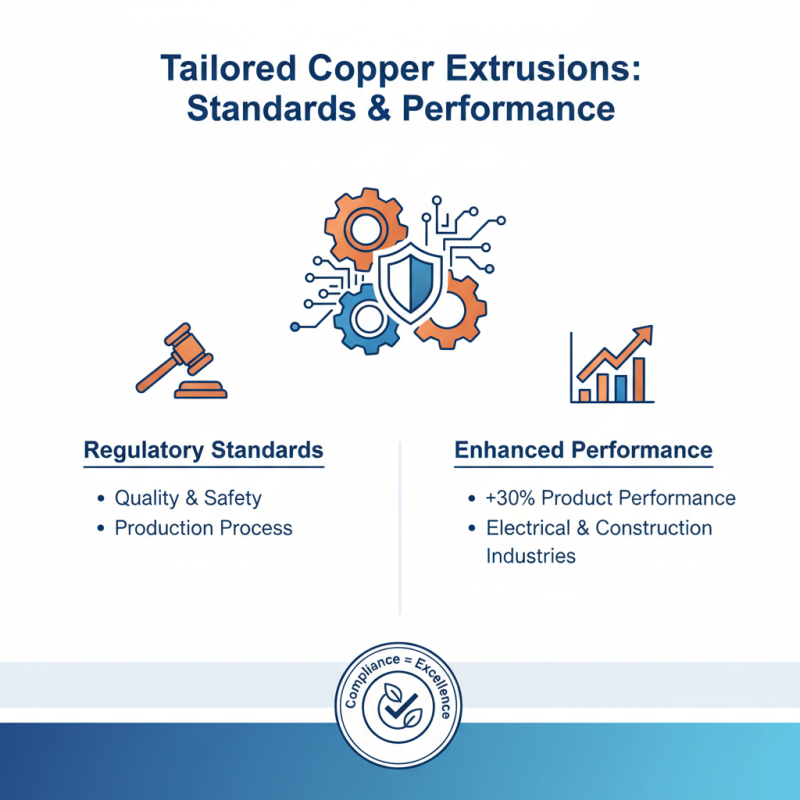
The landscape of tailored copper extrusions is increasingly shaped by regulatory standards. These regulations are crucial for ensuring quality and safety in the production process. Recent data indicates that compliance with standards can enhance product performance by up to 30%. This is particularly important in industries like electrical engineering and construction.
Regulatory guidelines often dictate the composition and tolerances of Copper Alloy Extrusions. For instance, the ASTM B241 specification outlines the requirements for copper tubing used in the automotive industry. Engineers must stay updated on these standards to ensure their designs remain viable. Changes can result in significant delays and increased costs if not properly managed.
Despite these pressures, not all manufacturers fully adhere to these standards. Some may overlook specific requirements, which can lead to subpar products. This gap highlights the need for constant vigilance in the industry. Tailored copper extrusions are not only about meeting specifications but also about innovating within those frameworks. Adapting to new regulations can spark discussions, sometimes leading to breakthroughs in material performance. Yet, the challenge remains: achieving compliance without sacrificing creativity.
FAQS
: Daily exercise improves physical health. It boosts energy and enhances mood. Regular workouts can reduce stress levels, too.
Good nutrition supports immune function and promotes healthy growth. Eating balanced meals can reduce risks for chronic diseases.
Yes, mental health is closely linked to physical health. Anxiety or depression can lead to fatigue and other health issues.
Breathing exercises help reduce stress. Meditation and yoga can also promote relaxation and improve mental clarity.
Quality sleep is crucial for recovery. Lack of sleep can affect mood, cognitive function, and immune response.
Setting boundaries is essential. Taking breaks and managing time wisely can prevent burnout and improve satisfaction at work.
Conclusion
The article "2026 Best Tailored Copper Extrusions What Makes Them Unique" provides a comprehensive overview of the significance and applications of tailored copper extrusions across various industries. It delves into key manufacturing methods that enhance the production of these specialized forms, highlighting the unique properties of copper that contribute to superior extrusion quality and performance. The article also explores the increasing demand and market trends projected for copper extrusions by 2026, particularly in the electrical and construction sectors.
Moreover, it addresses the challenges faced in the innovation of tailored copper extrusion techniques and the regulatory standards that influence their manufacturing processes. Overall, the focus on tailored copper extrusions underscores their critical role in advancing industrial applications while meeting emerging market needs.